Ikigai
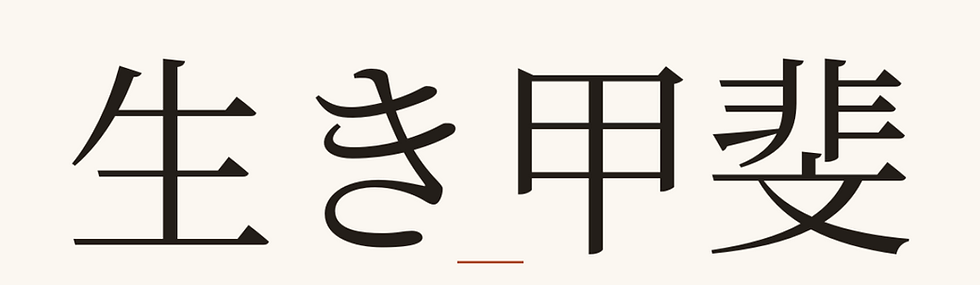
The Japanese have a word for what I have been searching for to describe life long purpose. The concept predates the Western self-help industry by centuries. Ikigai combines two kanji: iki, meaning life, and gai, meaning worth or result. Literally it defines that which makes life worth living. The relevance of this idea merits considering what ikigai actually looks like in practice.
The Western version of the concept, typically illustrated as a Venn diagram where passion meets profession meets mission, is largely not how Japanese people tend to use or experience the term. When researchers interview elderly Japanese adults about their ikigai, the answers are almost always more modest and specific. A 102-year-old woman’s ikigai was holding her great-grandchildren. A 100-year-old man’s ikigai was his martial arts practice. A retired fisherman’s ikigai was waking early to tend his boat. None of these are grand purposes but all were specific, chosen and real. That pattern, small in scope, precise in form and self-directed, is not incidental. As the research suggests, it is exactly the point.
Okinawa, where ikigai is most deeply embedded in daily life, is one of the world’s original Blue Zones, the regions identified by researcher Dan Buettner as having extraordinary concentrations of people who live past 100 in good health. Alongside diet and social connectedness, ikigai emerged consistently as a feature of Okinawan longevity, not as an occasional attitude, but as a daily orientation, a reason to get up in the morning that was woven into the structure of ordinary life rather than reserved for moments of peak achievement. What distinguished Okinawan elders was not that they had found a grand calling late in life, but that they had never stopped having a small, specific one.


Comments